
The professional makeup artist certification helps you gain the skills and credibility needed to succeed in today’s beauty industry.
This article explains how certification builds your artistry, professionalism, and career opportunities. You’ll learn what the program includes, its benefits, and how it ensures you’re industry-ready.
What Is a Professional Makeup Artist Certification?
Certification is a structured training program designed to develop both your creative and technical skills.
It verifies that you meet professional standards accepted in the global beauty market.
Students learn from accredited instructors who assess every skill through practice and exams. The program builds consistency, precision, and confidence in every graduate.
Key Components of Certification
Every course combines classroom knowledge and guided practice. You’ll complete modules covering color theory, hygiene, and advanced techniques under supervision.
Examinations test your ability to apply makeup professionally and consistently. These components create artists capable of handling diverse client needs.
Duration and Study Options
Most programs run between three months and one year, depending on your schedule. You can enroll in full-time, part-time, or hybrid learning modes.
Many institutions now provide flexible online classes paired with hands-on sessions. This flexibility allows students to gain credentials without pausing their careers.
Why Certification Matters in the Makeup Industry?
Becoming certified signals commitment and professionalism. It assures clients and employers that you can deliver quality and maintain hygiene standards.
A certification can also open doors to agencies, TV productions, and fashion houses. It validates both your talent and your training background.
Recognition and Credibility
Accredited certificates are issued by recognized academies or beauty boards. They guarantee that you meet local and international standards of artistry.
Employers prefer certified artists because they understand structure, discipline, and technique. It sets a clear distinction between hobbyists and professionals.
Competitive Advantage
Certification enhances your employability and salary potential. Clients trust certified artists to use safe and appropriate products.
It gives you leverage when negotiating rates or joining professional teams. In a crowded market, verified credentials are your strongest asset.
Core Skills Taught in Professional Training
Training covers every essential skill and concept needed to serve clients confidently. Courses mix technical knowledge with real-world practice to build speed and accuracy.
You’ll learn the science behind beauty, lighting, and skin tone. Graduates leave prepared to work on any skin type or event style.
Makeup Techniques Covered
During training, you’ll master product matching, foundation blending, and eye artistry. Classes include bridal, editorial, and special-occasion looks.
Airbrush and HD makeup modules help prepare you for film or media projects. Each skill is reinforced with supervised practice and feedback.
Sanitation and Hygiene Protocols
Cleanliness is a cornerstone of professional artistry. You’ll be taught how to disinfect tools and maintain a safe workspace.
These habits prevent cross-contamination and ensure client trust. Proper hygiene is essential for long-term reputation in the industry.
Color Theory and Lighting
Understanding how colors behave under different lights separates amateurs from professionals. You’ll study undertones, contrast, and hue balance.
Instructors demonstrate how lighting can change the entire effect of a look. This knowledge ensures consistent results on camera and in person.
Industry-Ready Training: Bridging School to Work
Programs focus on practical experience to ensure job readiness. Students simulate client scenarios to develop professionalism and adaptability.
Each session builds your confidence in managing time and expectations. Instructors mentor you through challenges faced in real assignments.
Practical Workshops and Assessments
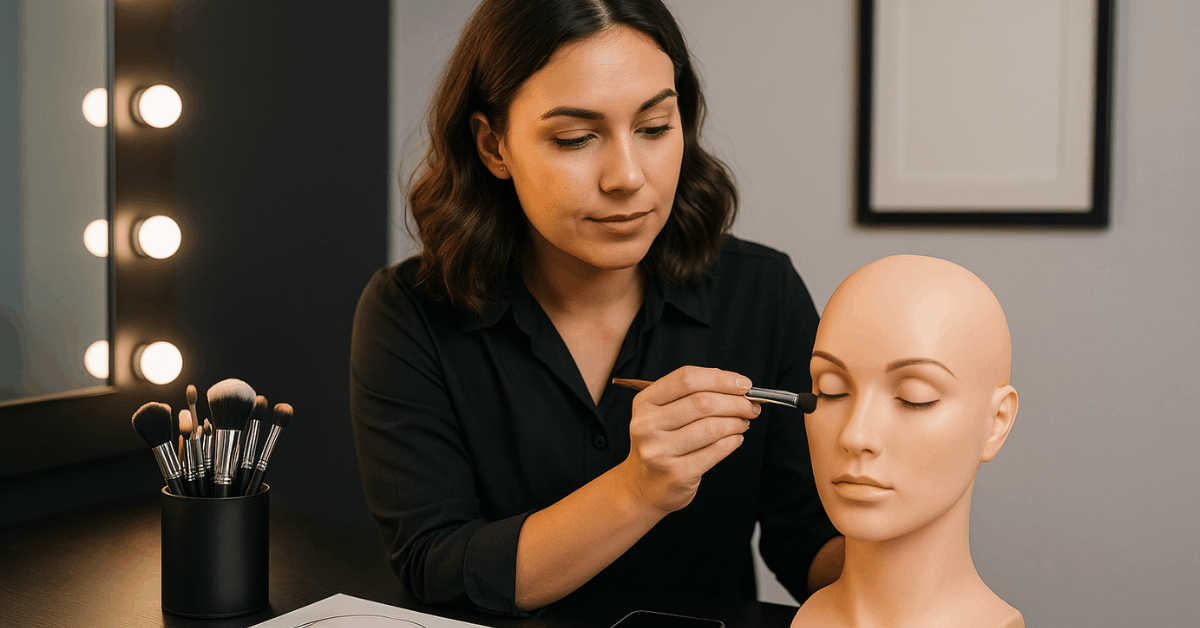
Hands-on workshops allow practice on live models or volunteers. You receive instructor feedback to refine techniques and speed.
Assessments include both timed applications and creative challenges. These tasks replicate real client demands and working conditions.
Portfolio Development
A strong portfolio is your visual resume in the beauty industry. During the program, you’ll photograph your best works under studio lighting.
Trainers guide you in selecting and editing images for online and print use. This portfolio becomes your key marketing tool when applying for jobs or clients.
Specialized Makeup Courses and Career Paths
Professional certification offers several specialization tracks. Each area focuses on specific skills aligned with different career goals.
These specialties make you adaptable to seasonal or event-based demands. Choosing one helps define your brand identity.
Possible Specializations
The Professional Makeup Artist Certification offers several specialization options that let you focus on your preferred field.
Each path enhances your creative skills and helps you stand out in specific industry areas.
- Fashion and Editorial Makeup – Creative looks for photo shoots and runway shows.
- Bridal and Event Makeup – Timeless and waterproof applications for weddings or formal events.
- TV, Film, and Theater Makeup – High-definition, durable designs under strong lighting.
- SFX and Prosthetics – Character transformations for film and entertainment.
- Corporate and Commercial Beauty – Polished, camera-ready looks for media productions.
Career Opportunities
After certification, you can work freelance, join salons, or represent beauty brands. Some graduates pursue teaching or brand training roles.
Others collaborate with stylists and photographers for campaigns. The path depends on your goals and creativity.
Tools and Products Covered in Training
Professional tools determine your efficiency and results. Certification programs train you to handle quality products and understand formulation basics.
You’ll gain experience with leading brands and proper product selection. Knowledge of texture and compatibility becomes part of your daily routine.
Product Familiarity
Students practice with primers, concealers, and setting agents. Instructors teach the differences between cream, powder, and liquid finishes.
Brush maintenance and product sanitation are emphasized throughout. This experience prepares you for real studio and on-site work.
Choosing the Right Makeup Academy
Selecting an accredited academy ensures the value of your certification. You need a program that combines artistry, safety, and business preparation.
Investigate each school’s credentials and graduate success rates. Prioritize hands-on learning and updated facilities.
Factors to Consider
Look for programs recognized by industry associations. Evaluate trainers’ experience and alumni portfolios.
Review class size, equipment access, and flexibility in scheduling. A good academy balances creativity with structure.
Tuition and Financial Aid Options
Tuition varies depending on duration and specialization. Some schools offer scholarships or installment payments.
Compare total costs, including materials and kit fees. Investment in proper training often leads to faster career returns.
Certification Process and Evaluation
The process involves coursework, attendance, and final assessments. Students must meet academic and practical requirements before certification.
Examiners evaluate both speed and precision. Results determine readiness for professional work.
Requirements
You must complete the required modules and meet the attendance criteria. Final exams include written tests and live demonstrations.
Instructors assess portfolio presentation and hygiene discipline. Once approved, you’ll receive your professional certification.
Building a Professional Brand After Certification
Certification is only the beginning of your career journey. The next step is building visibility and credibility.
Developing a strong personal brand helps attract long-term clients. Consistent marketing and professionalism ensure steady growth.
Marketing Yourself
Create a professional portfolio website and social media accounts. Post your work consistently with detailed captions and client consent.
Engage with followers and beauty communities for exposure. Online presence helps connect you to global clients and brands.
Client Management and Professionalism
Learn to communicate clearly about pricing, scheduling, and expectations. Use booking systems or digital planners to organize your work.
Always maintain punctuality and respect during sessions. Professional behavior keeps clients returning and referring others.
International Certification and Global Opportunities
Some certificates allow you to work beyond your country. International accreditation widens your job prospects and credibility.
Beauty markets in fashion capitals value globally recognized standards. Certification gives you that mobility and advantage.
International Recognition
Organizations such as CIDESCO, ITEC, and City & Guilds provide global validation. Their credentials are accepted by salons and production studios worldwide.
Graduates with these certifications can work across Asia, Europe, and North America. Global recognition also enhances client confidence.
Continuing Education and Skill Upgrading
The makeup field evolves constantly with new techniques and trends. Continuous learning keeps you competitive and inspired.
Advanced courses and seminars let you refine specialized skills. Professionals who never stop learning sustain longer careers.
Advanced Workshops
Many institutions offer post-certification workshops in airbrushing, digital makeup, or SFX. Brand-hosted masterclasses teach new product applications.

These sessions strengthen your technical range and creativity. Updating your expertise keeps you aligned with market trends.
Tips for Success in the Makeup Industry
Success requires practice, professionalism, and a good attitude. Your career growth depends on consistency and adaptability.
Certified artists who keep improving gain client loyalty faster. Confidence grows through experience and discipline.
- Practice regularly to improve speed and precision.
- Keep updated with seasonal trends and products.
- Build relationships with photographers, stylists, and influencers.
- Manage your time and treat every project as a learning opportunity.
Your Path to Becoming a Certified Expert
Professional makeup artist certification gives you structure, knowledge, and confidence. It transforms your passion into a career backed by verified credentials.
Once certified, you’re prepared for beauty, fashion, and entertainment opportunities worldwide. Start your training journey today and become the expert the industry needs.