
Launching a design career benefits from a recognized benchmark like Professional AutoCAD Certification that hiring managers understand.
This mainstream guide explains why the credential matters, where to register, and which beginner courses truly prepare you for exam day. Every recommendation favors official or trusted sources and a practical learning sequence.
Follow it to move from first commands to durable, test-ready workflows with measurable confidence.
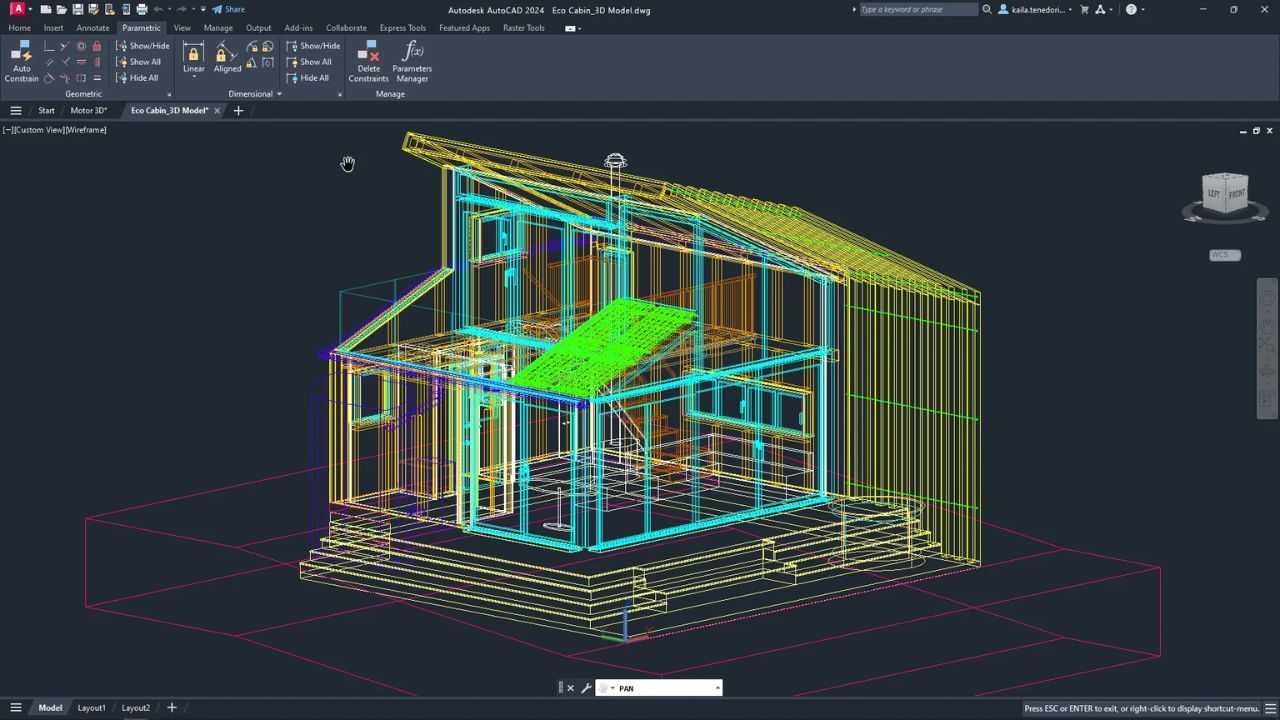
Why Professional AutoCAD Certification Matters for New Designers
Professional recognition helps juniors and career changers quickly demonstrate competence in competitive studios and engineering teams.
The certification validates drafting accuracy, annotation discipline, and file organization aligned with real project requirements. Because objectives track current releases, you practice features employers actually use.
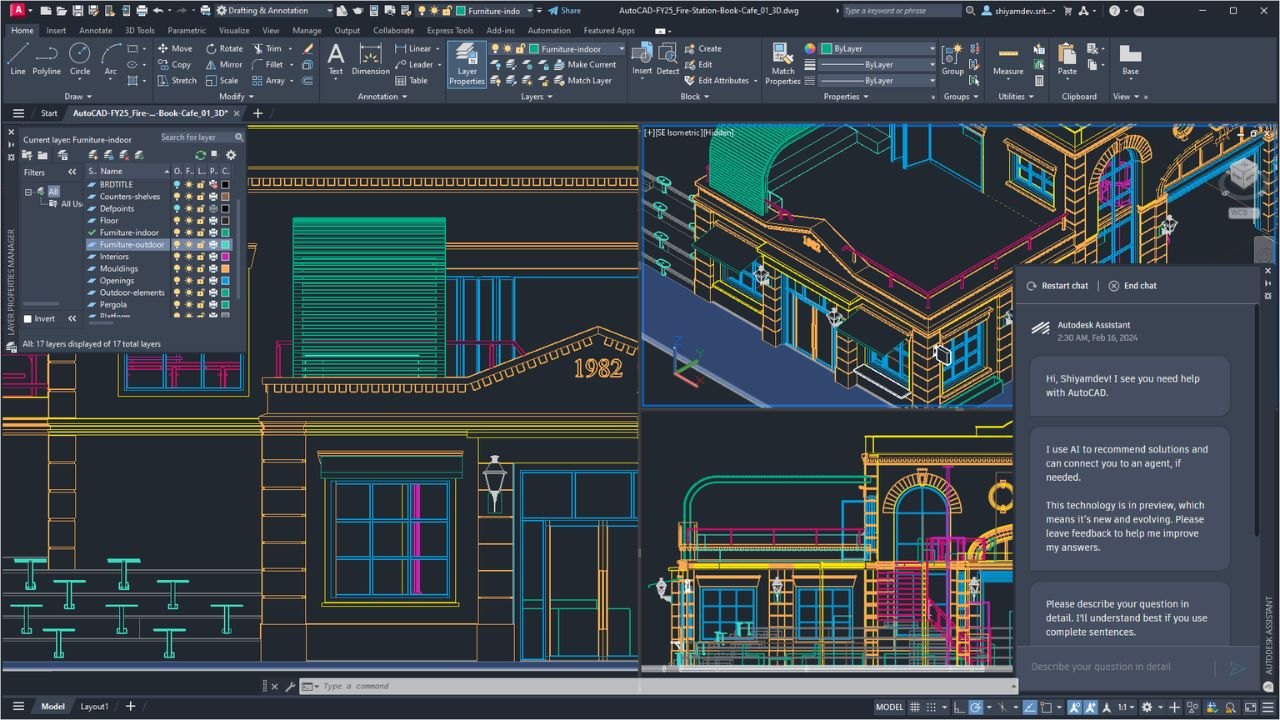
The result is clearer collaboration, fewer redraws, and predictable deliverables that align with documented standards across multidisciplinary architectural and engineering environments.
Career Signaling and Portfolio Confidence
A verifiable badge communicates that you can create, modify, and annotate drawings while maintaining layers, styles, and templates consistently.
Recruiters recognize the scope, which shortens screening and elevates your resume for technical interviews. You gain precise language for skills, from managing blocks and external references to plotting coordinated sheet sets.
That clarity reduces onboarding time and demonstrates production readiness on the first assigned package.
Productivity, Standards, and Team Collaboration
Certification study reinforces habits that prevent costly errors and bottlenecks during handoffs. You’ll adopt standardized layers, reusable content, and publishing routines that improve speed without sacrificing accuracy.
Teams downstream receive readable files with a predictable structure, reducing confusion and revision cycles.
These practices scale smoothly across consultants, contractors, and internal disciplines, strengthening schedule reliability and overall project quality on deadline-driven engagements.
Early-Career Mobility and Trusted Baselines
For interns and junior drafters, a recognized credential levels the field when direct experience is limited.
Managers gain a dependable baseline for assigning work that touches documentation standards and external coordination. Clear expectations around version control and change tracking support responsibility growth.
Over time, consistent results from certified users justify deeper involvement in complex packages and cross-disciplinary collaboration, accelerating meaningful career progression.
Official Certification Pathways and Exam Mechanics
Understanding the official path saves time and prevents administrative surprises. You begin by reviewing program tiers, then schedule with approved proctoring channels that enforce identity and testing rules.

Published blueprints reveal the exact skill domains you’ll be assessed on. With logistics settled early, you can focus on building speed and accuracy through timed practice that mirrors production workflows and real deliverable requirements.
Autodesk Certification Overview and Dashboard
The central dashboard organizes registration, identity verification, scheduling, and credential access in one place.
You can choose between in-person and remote proctoring, and manage reschedules in accordance with posted policies. Objective outlines and preparation resources sit beside booking tools, keeping the study aligned with the live exam.
After testing, the same account provides score visibility, badge management, and guidance on maintaining your digital credential for employer verification.
Pearson VUE Test Centers and Remote Options
Approved centers offer controlled environments, reliable equipment, and staff support for check-in and incident handling. Remote proctoring suits candidates with quiet spaces and stable connections who prefer convenience.
Both modalities apply the same identity checks, rules, and monitoring, preserving employer trust in results.
Immediate reporting helps you plan next steps, whether documenting a pass or scheduling a targeted retake with a refined study plan.
Policies, Identity, and Retake Rules
Program terms govern candidate conduct, environment requirements, acceptable identification, and post-exam credential use.
Reading policies early prevents last-minute rescheduling for missing documents or noncompliant rooms. Retake windows and limits are clearly defined, guiding your remediation timeline if needed.
Understanding these details up front reduces anxiety, clarifies expectations, and protects your investment of time, training costs, and exam fees throughout the certification journey.
Skills and Domains on the Professional Exam
You will be assessed on geometry creation and modification, annotation precision, and disciplined use of layers, styles, and templates.
Blocks, attributes, and external references are common because real projects often integrate reusable content and external data. Layouts, viewports, and plotting test your ability to publish clear, standards-compliant sheets.
Demonstrated competency here proves you can translate model space work into coordinated, construction-ready documentation.
Timing, Question Formats, and Score Reporting
The exam blends task-based items with formats that reward applied skill, not memorization.
Time limits require efficient command use, clean selection habits, and minimal dialog wandering. Practicing under timed conditions turns workflows into muscle memory, improving accuracy when the clock tightens.
Immediate score reporting clarifies status, while official guidance explains performance bands, retake eligibility, and how soon you can attempt the exam again.
Beginner-Friendly Courses and a Practical Study Plan
Great beginner training teaches drafting logic, not just button clicks, and links lessons to exam objectives.

Start with foundations that build drawing accuracy, annotation discipline, and file hygiene. Layer objective-aligned modules that mirror live tasks, then rehearse end-to-end scenarios with timing.
That arc produces durable proficiency, enabling you to pass the exam and contribute meaningfully to production drawings on day one.
Autodesk AutoCAD Professional Certification Prep
Official prep tracks map directly to current exam objectives, reducing study guesswork and content drift.
Lessons cover core geometry, modification tools, reusable content, external references, layouts, and plotting. Sample questions mirror live interfaces, building familiarity and pacing confidence.
Because materials track product updates, you avoid practicing deprecated paths and instead focus on efficient, modern workflows that employers expect in current production environments.
Trusted Partner Courses with Instructor Feedback
Authorized training centers and vetted providers add structure, feedback, and accountability to self-study.
Instructors diagnose weak spots, assign timed drills, and evaluate drawing organization to exam-quality standards. Programs often include project files and readiness checks to decide when to schedule.
That cycle of practice, review, and correction builds reliability under pressure, accelerating your transition from learner to productive contributor on real projects.
University and MOOC Foundations for True Beginners
Reputable academic and MOOC catalogs introduce 2D drafting logic, dimensioning discipline, and plotting conventions applicable across disciplines.
Early focus on selection accuracy, object snaps, and annotation styles pays dividends later. You’ll internalize clean habits before layering in exam-specific tasks.
Combining fundamentals with official prep creates a balanced pathway that develops both conceptual understanding and performance skills measured on testing day.
Week-by-Week Milestones That Keep You on Track
Begin with selection mastery, precision entry, layers, and annotation standards while building speed on navigation.
Midway, emphasize blocks, attributes, external references, and sheet organization because these areas compound time savings.
Finish with timed scenario drills from template setup to plotted sheets using objective checklists. If scores plateau, target exact objective lines instead of guessing, ensuring every remediation minute maps to the blueprint.
Scheduling Strategy and Choosing Your Modality
Schedule when full workflows feel automatic and practice scores stabilize within your target band.
Quiet, reliable setups favor remote sessions, while test centers suit those who perform best in structured environments. Verify identification, room rules, and system checks several days in advance.
Eliminating logistical uncertainty preserves focus for problem-solving, selection precision, and error-free publishing when the countdown begins.
Who Should Pursue Certification and How to Leverage It
Ambitious graduates, career changers, and junior drafters gain the most from a respected baseline that compresses onboarding.

Licensed professionals also benefit when formalizing standards across teams or mentoring juniors. The credential’s scope aligns with typical documentation workflows supporting architects and engineers.
With a clear strategy, you can convert a passing score into measurable impact on schedules, quality metrics, and cross-discipline collaboration.
Entry-Level Versus Professional Paths
If you are early in practice hours, an entry credential validates fundamentals and builds confidence.
When routine tasks feel natural under time pressure, step up to the Professional exam, matching production expectations. This staged path mirrors how firms onboard new team members.
Each credential then reflects capability rather than short-term memory, producing consistent performance across sprints, revisions, and coordination cycles.
Connecting to Broader AEC and Manufacturing Goals
AutoCAD remains foundational across architecture, civil, and manufacturing documentation, so certified users migrate smoothly to adjacent tools.
Your discipline around annotation, layers, and publishing transfers to platforms like Revit, Civil 3D, or manufacturing suites.
Employers value that continuity because documentation quality stays consistent. A planned progression keeps your resume aligned with multi-tool teams and complex delivery environments that demand reliable standards.
Building a Portfolio Employers Instantly Trust
Pair the credential with a compact portfolio of annotated, plotted sheets demonstrating standards adherence.
Show reusable content, external references, and attribute-driven blocks managed with disciplined layers and templates. Clear sheet sets answer interview questions without lengthy explanations and demonstrate coordination fluency.
Hiring managers see reduced onboarding time and minimal supervision risk, which strengthens your candidacy for responsibility and advancement.
Salary Signaling, Negotiation, and Internal Mobility
Validated skills support stronger compensation discussions because managers can reliably project productivity.
Internal job postings often list certification as preferred or equivalent experience, unlocking lateral moves or leadership tracks.
When combined with strong attendance, safety awareness, and quality metrics, the badge becomes a lever for raises—document measurable impacts—fewer reworks, faster publishing—to reinforce value during performance reviews.
Conclusion
A focused plan for Professional AutoCAD Certification starts with credible beginner foundations, objective-aligned prep, and a scheduled exam through approved channels.
Choose the testing modality that supports peak focus and follow policies precisely. With verified resources and consistent habits, you earn a portable credential that accelerates opportunities in engineering and architecture.